The Zen makers
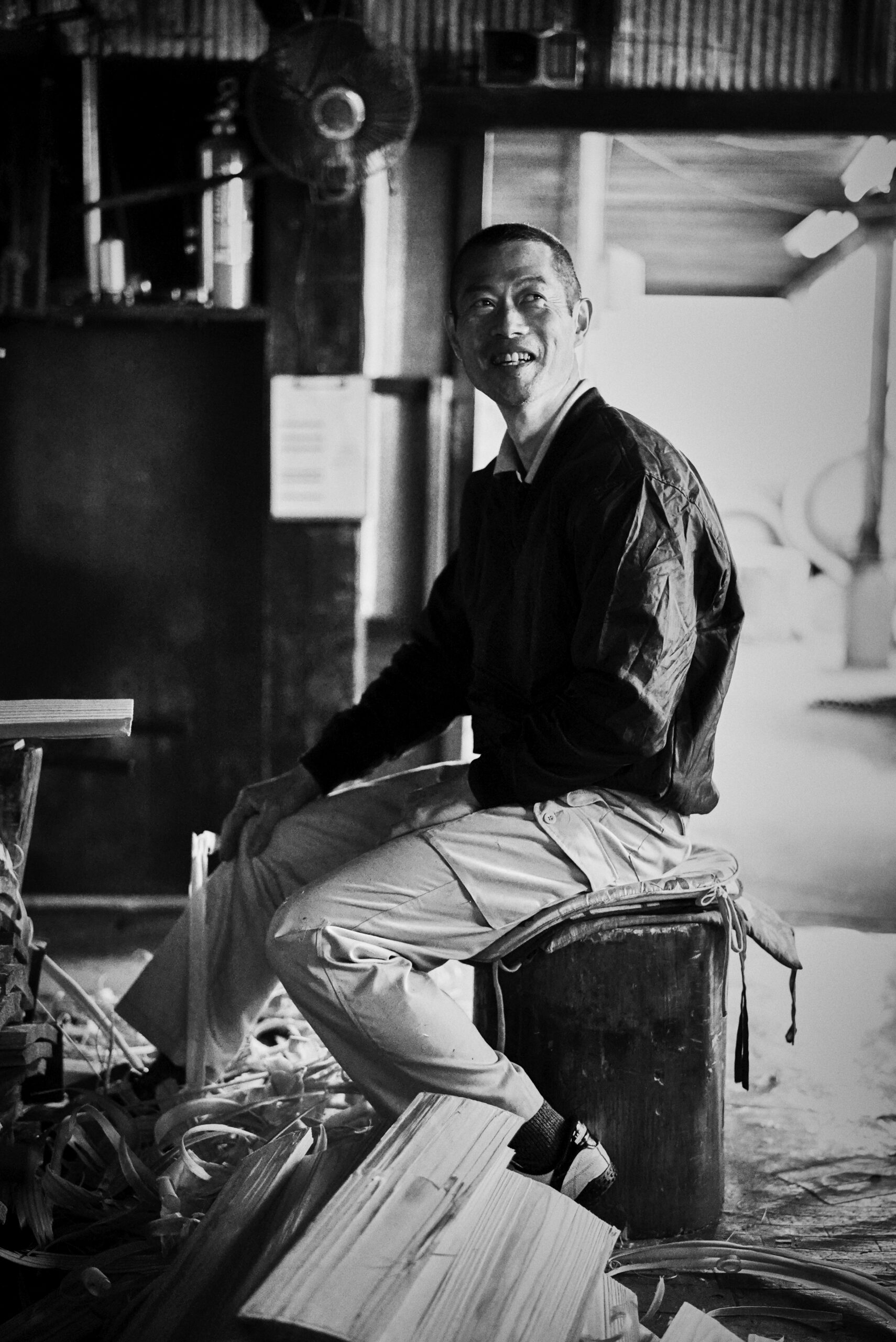
Koji Oguchi, stave maker
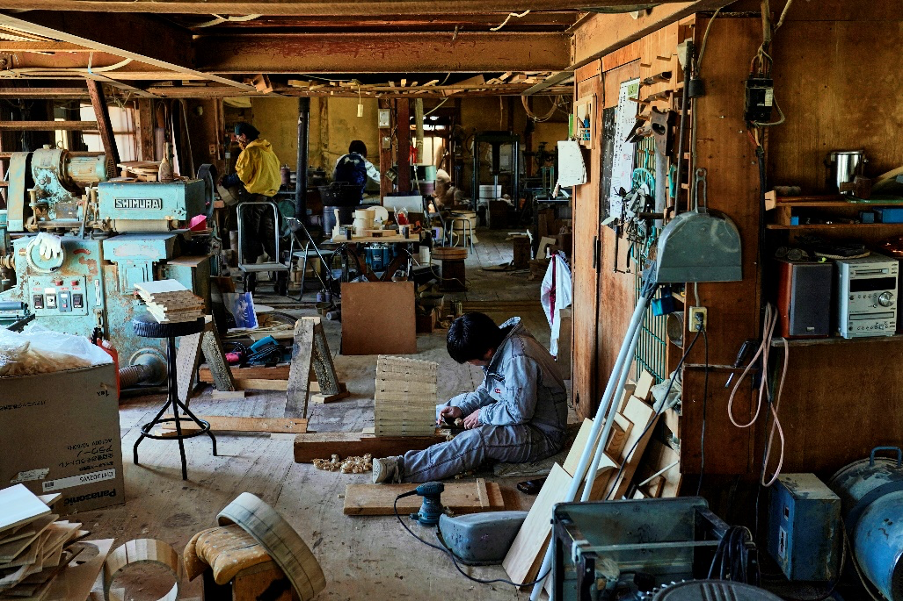
Tarumaru Kuriyama in Yoshino, Nara
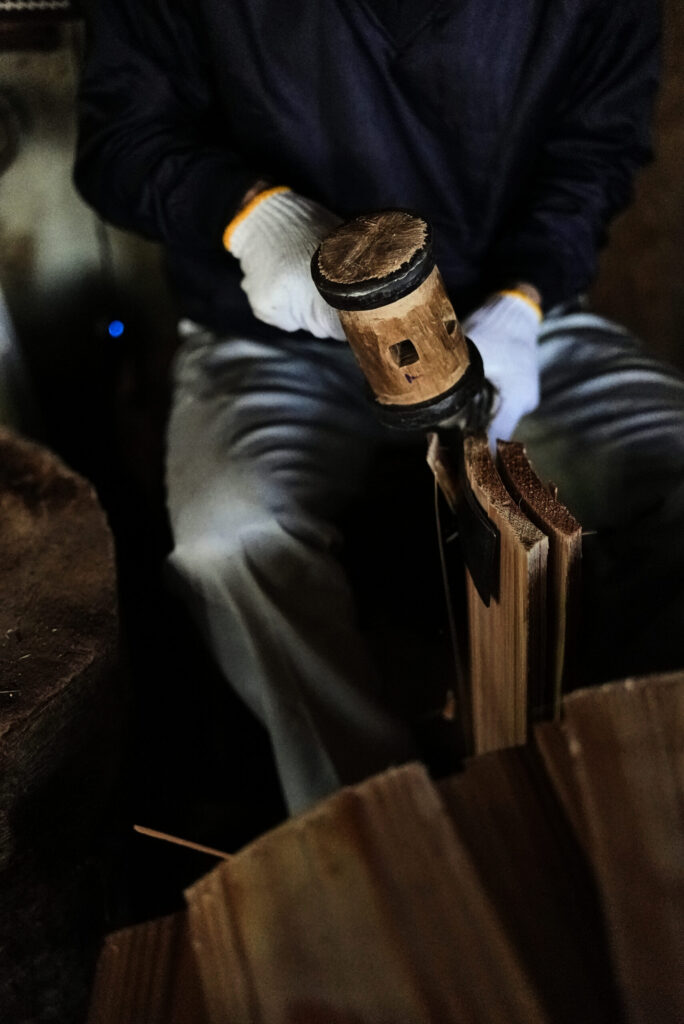
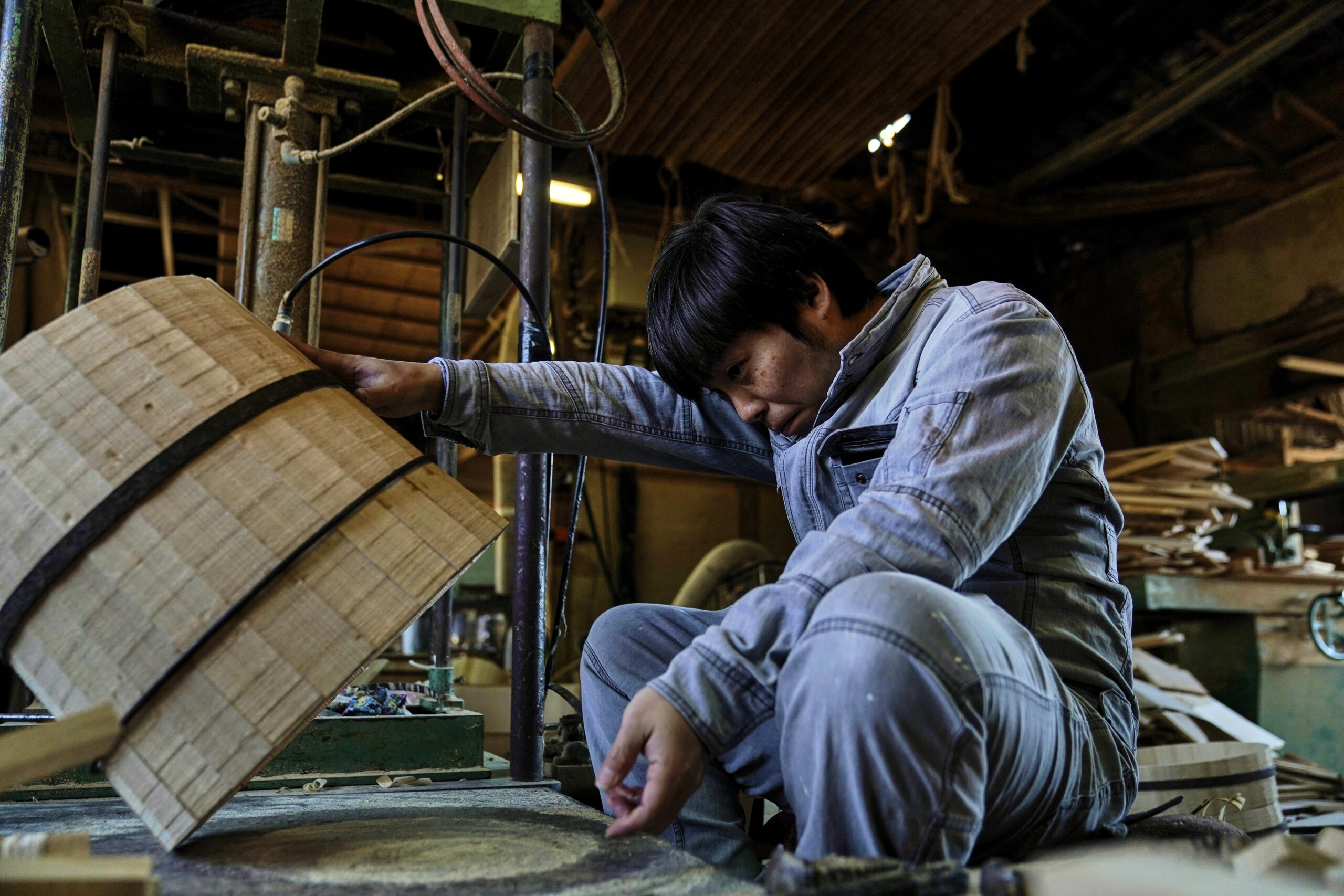
Born in 1970, Koji Oguchi became an apprentice at Tarumaru Kuriyama at the age of 20 and later succeeded his mentor as proprietor of this cask-making business. In Japan the production of wooden casks is divided between artisans like Oguchi, who prepare the staves that form the sides of the containers, and coopers who use these to assemble the vessels. Today there are only a handful of studios in Japan where staves are still made by hand.
T&S When you go to the lumber yard to pick out wood for the staves, how do you tell the difference between good and bad wood?
KO Intuition. I know from experience how different kinds of wood will split. The look of the wood at the yard can change from day to day. There might be some wood that I didn’t even notice the day before, but the next day I’ll be drawn to it. So rather than any close inspection, it’s more about the impression I receive. A certain batch will attract me on a certain day.
It’s part of what I do for a living, but I really do love looking at wood. I’m not much of a businessman, to be honest. Maybe I’d be better off working for a master cooper, like in the old days. On my own, this job feels more like a pleasant pastime.
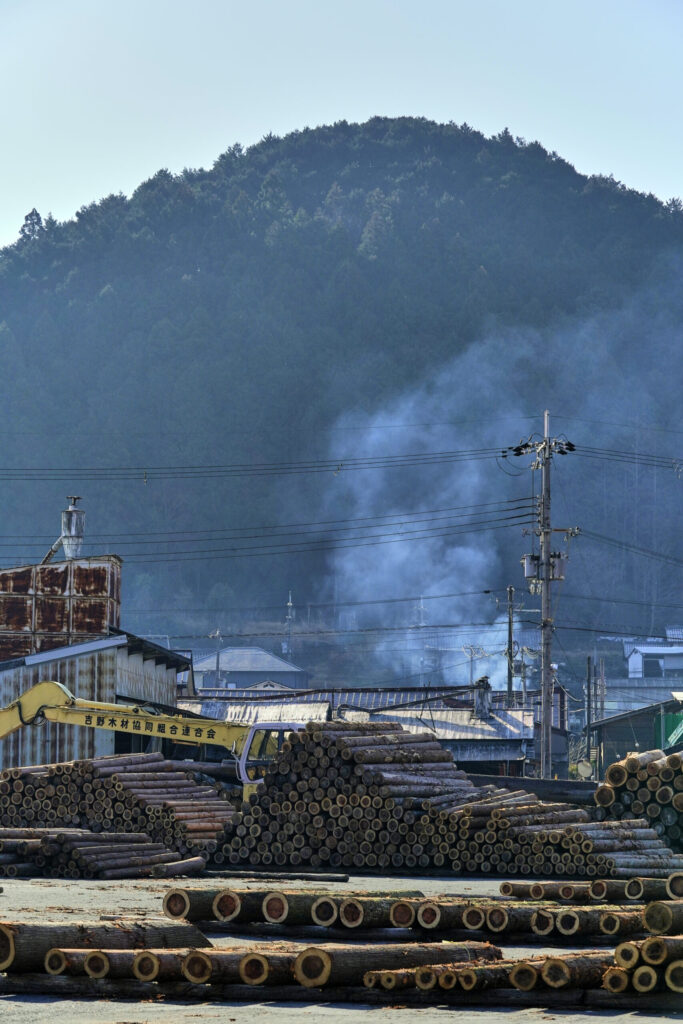
Yoshino, in central Nara Prefecture, boasts forests that have been preserved and protected for hundreds of years. The humid environment of the area has nurtured the Yoshino cedar, a tree known for the fine, straight grain of its wood. Yoshino cedar has long been treasured as a material for everything from castles and temples to sake casks and sushi tubs. The forests of Yoshino, where massive, beautiful cedars enjoy 80- to 100-year lifespans, provide sustenance not only for the livelihoods but also for the hearts of the local people who continue to maintain them.
Kiyoshi Tanikawa, cooper
Tanikawa-Mokkougei in Miki, Kagawa
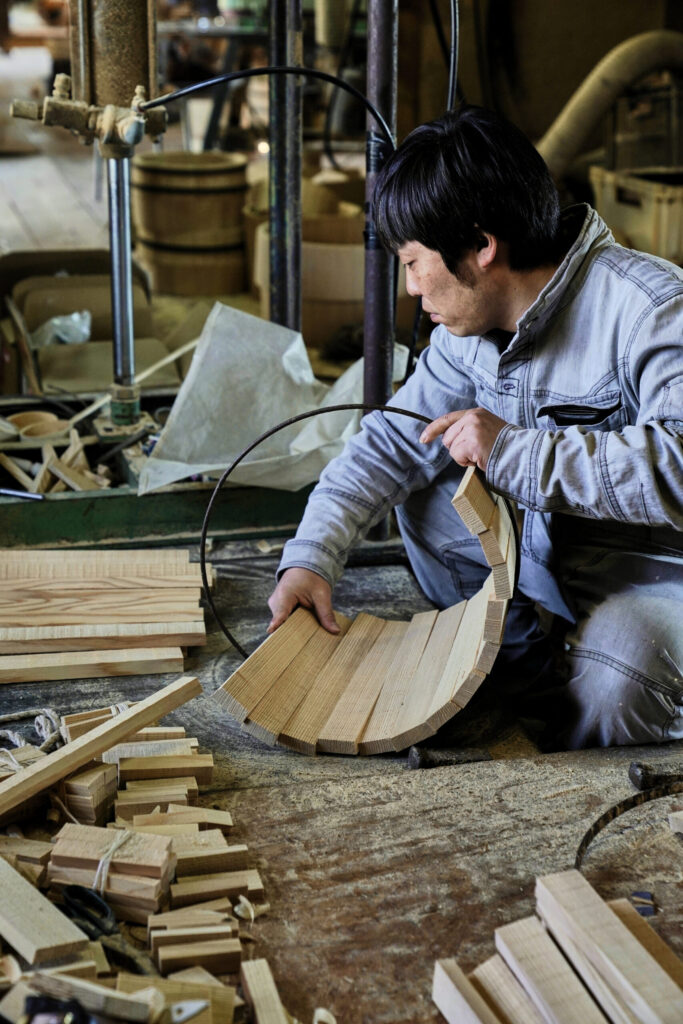
Born in 1984, Kiyoshi Tanikawa is the third-generation proprietor of Tanikawa-Mokkougei, which began as a maker of sushi tubs. Today the shop also produces furnishings for contemporary home décor, utilizing the traditional tub-making techniques of the Sanuki region of Shikoku.
T&S Why do you prefer Yoshino cedar for your wood?
KT With cedar, it’s all about the grain. Yoshino cedar is relatively soft and hard to handle, but the grain is beautiful. And that fine grain is what enables a finished piece to retain its shape. Coarse-grained wood doesn’t hold up as well over time. If you want to bring out and show off that fine-grained look, Yoshino cedar is absolutely the best.
T&S Tanikawa-Mokkougei has been making tubs since your grandfather’s time. When he founded the business, were there a lot of businesses like yours?
KT My grandfather first apprenticed with a cooper before opening his own shop, and I’m told there were a lot of them back then—at least ten in this area alone. In those days it was normal for every neighborhood in Japan to have a cooperage. There was usually one within walking distance anywhere you went. When the hoops got loose, you could get them fixed right away. Today I think there are no more than 40 or 50 coopers in all of Japan. Here in Shikoku, there are two in Kagawa Prefecture and two in Tokushima. But the other day I got a phone call from a shop in Ehime asking me if I’d be willing to give lessons. So I guess that makes five in Shikoku.
T&S Do you get requests to fix hoops even in this day and age?
KT Yes—even the people who sell tubs don’t know where to get them repaired. We often get requests from individual owners to fix tubs that were made somewhere else.
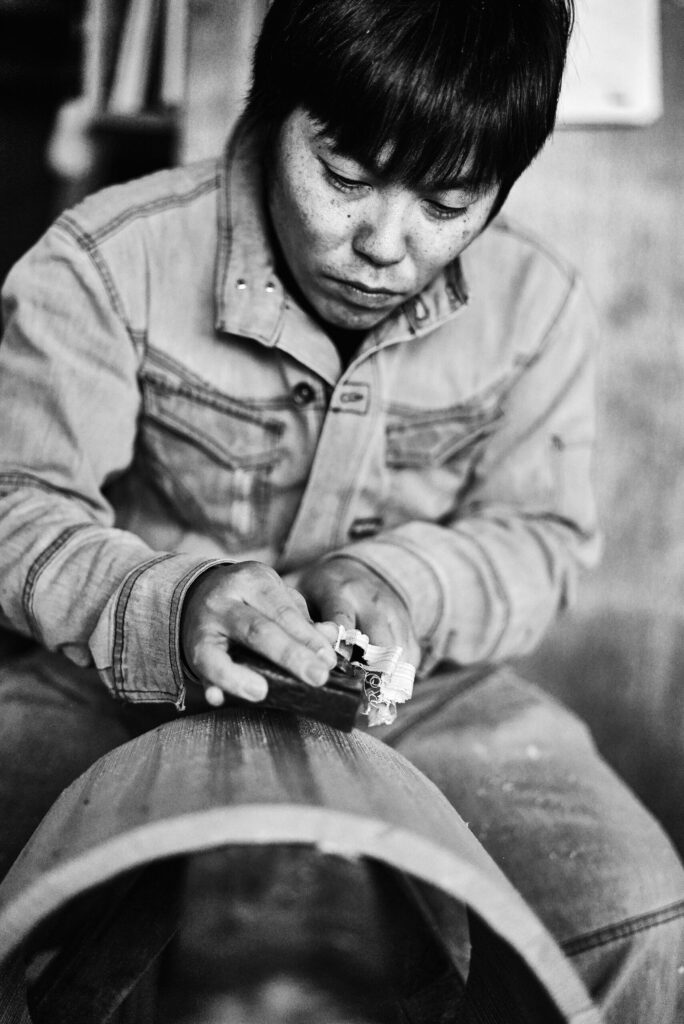
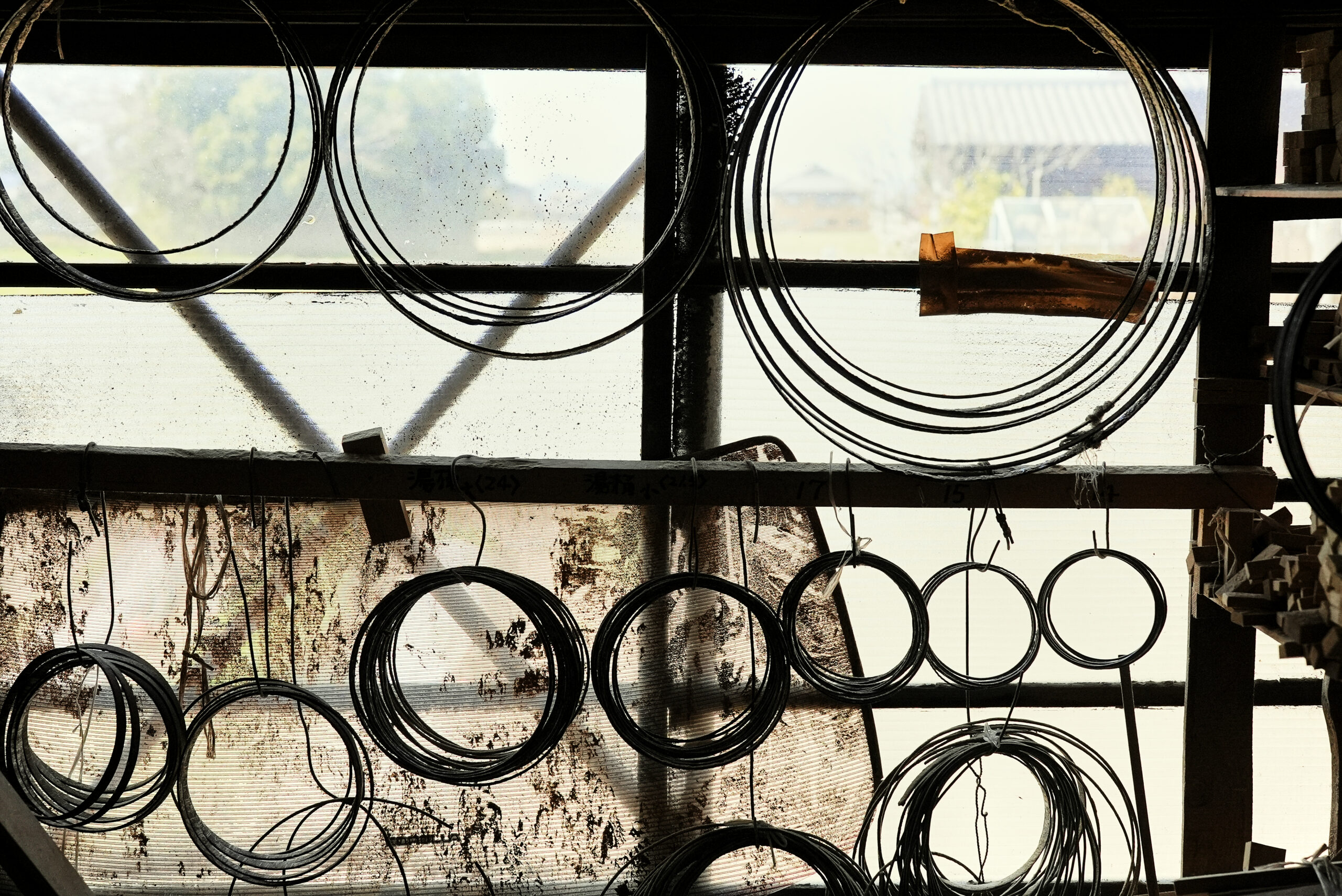
We’ve had people ask us to repair tubs that were made around 100 years ago. Fixing a tub like that isn’t only about making it usable again; you’re also reviving the memories of its owner. Buying a new one because it’s cheaper means nothing to an 80-year-old woman whose family has had that tub since before she was born. A tub that old will have turned so black it’s not enough to just tighten the hoops; you also have to shave it down. The side staves may have come loose, too. But if you fix it right the hoops won’t come loose again.
T&S Once you’ve repaired a tub, how much longer will it last?
KT A new tub will need its hoops tightened after about a year. Once that’s done a few times, though, it won’t loosen up again. If you repair a 100-year-old tub, it shouldn’t get loose for another 100 years.
That alone is a testament to the value of traditional crafts. When an electric appliance breaks down, chances are you’ll be told it can’t be fixed because some part isn’t available. With traditional crafts, you can keep getting an item repaired indefinitely, as long as there’s an artisan around who knows how to do it.
T&S So a traditional tub could go on being used forever.
KT That’s right. The bottom can be replaced as necessary, and the only other thing is to have the hoops tightened from time to time.
Our Zen series
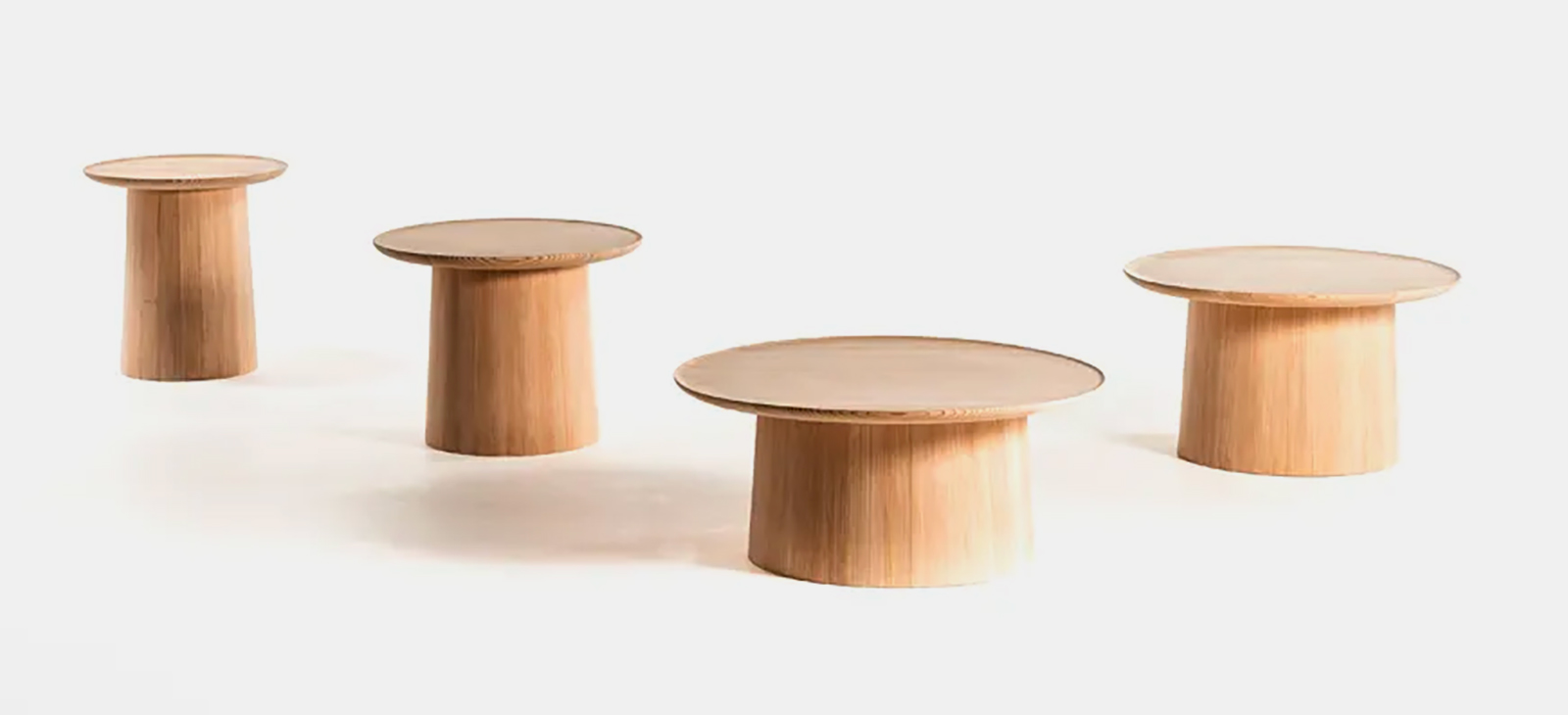
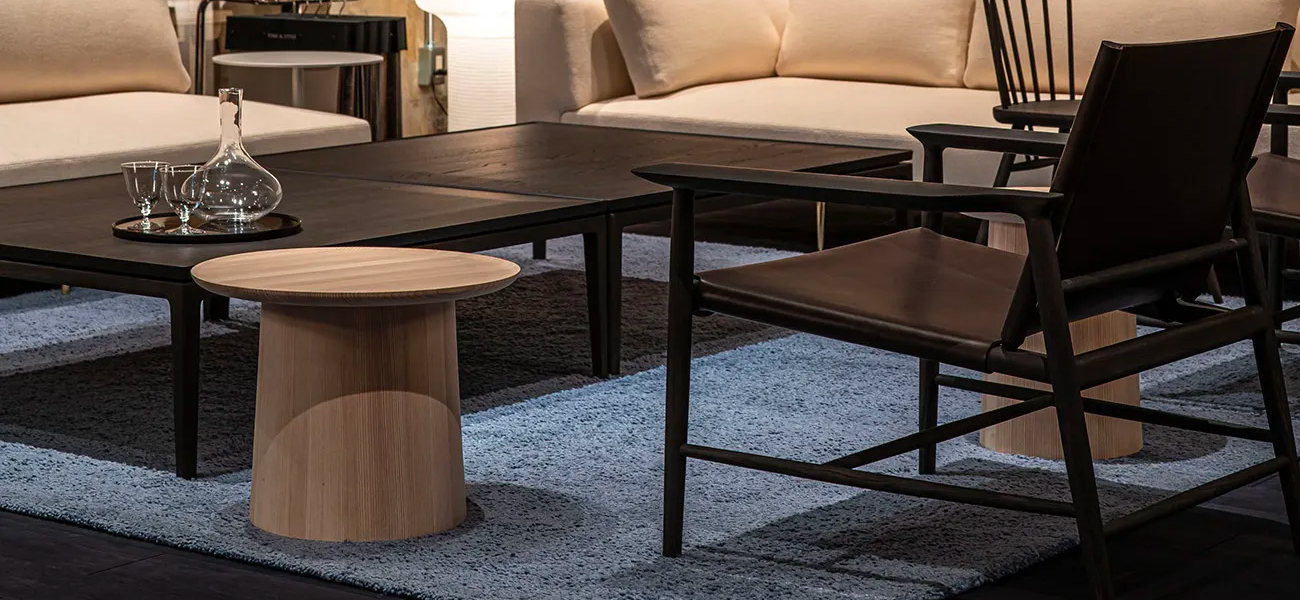
As a Japanese furniture maker, we considered how we might reconceive handcrafted wooden casks and barrels to create unique and attractive pieces suitable for contemporary everyday living. Our series of Zen low tables with solid tops and bottoms emulate the iconic form and seamless joints of traditional casks, in a variety of sizes.
Furniture is typically made with broadleaf hardwoods like oak and zelkova. Working instead with cedar, one of the conifers that make up the greater part of Japan’s forests, has given us a new perspective on this wood’s utility and beauty.
articles / interviews