The Silent Strength of Tatami
Text by Marco Mancini | Photos by Hiroshi Kuwahara
A Reflection of Aristocracy and Art
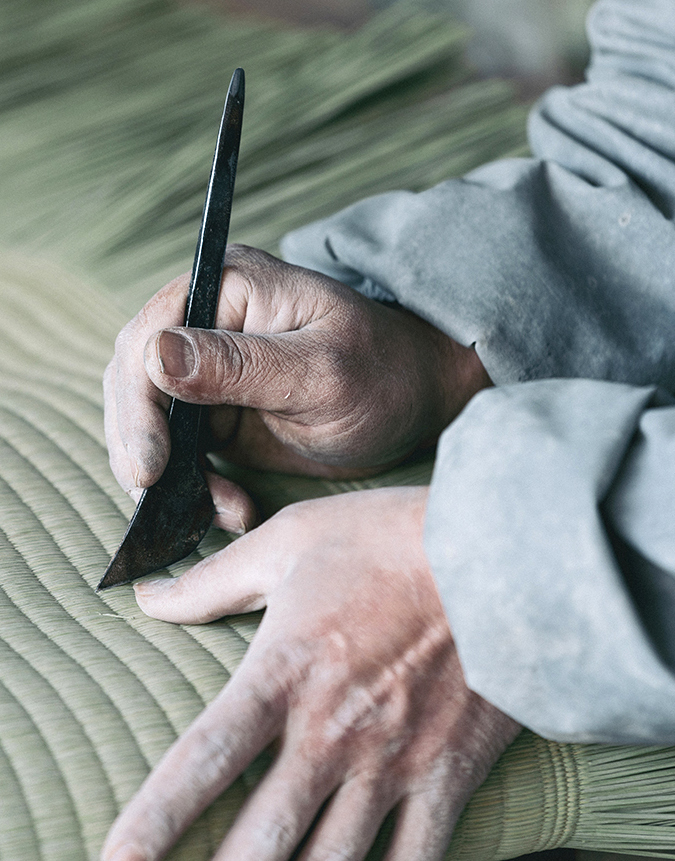
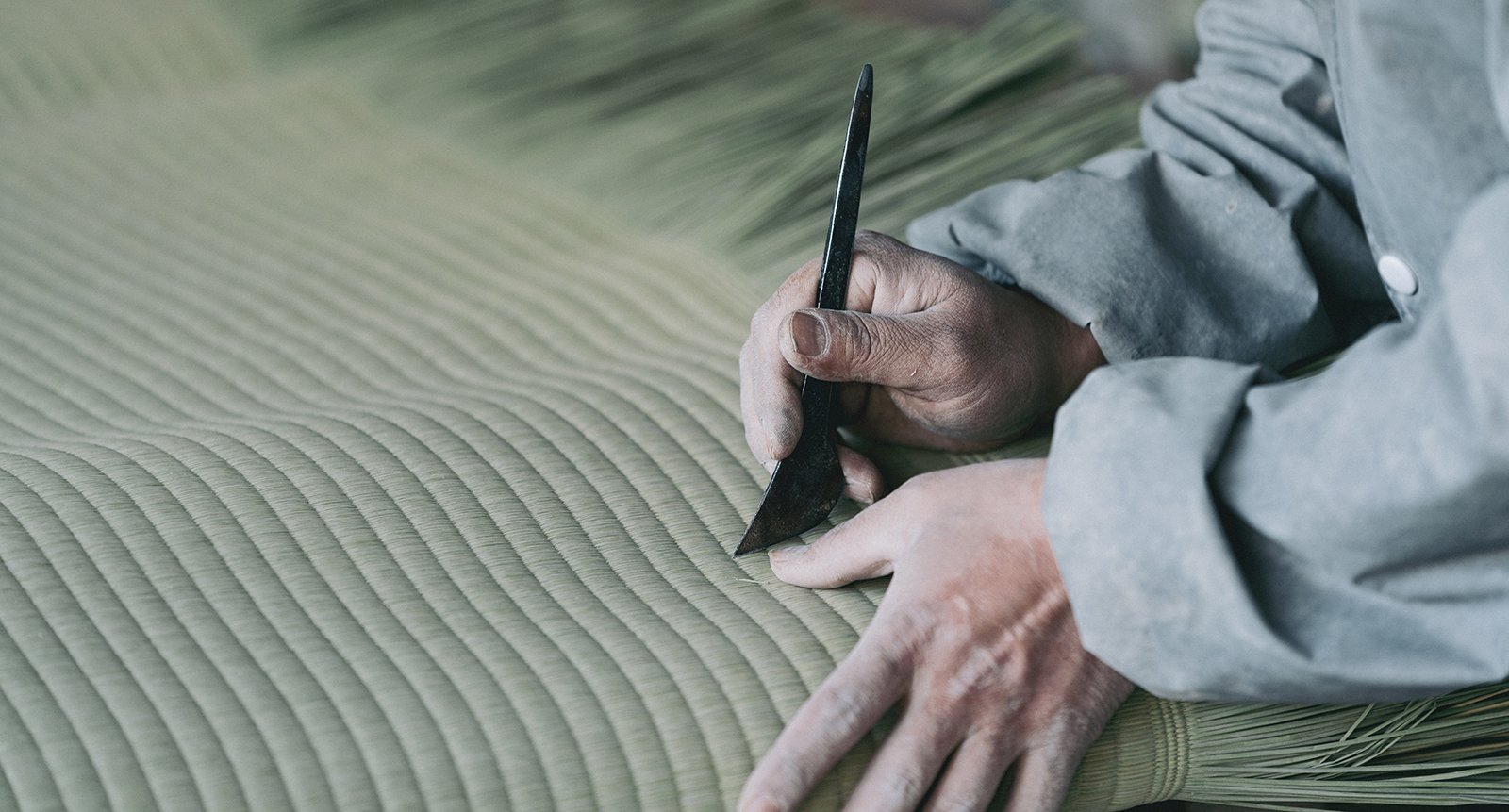
In the quiet spaces of traditional Japanese homes, a silent story unfolds, woven from the rushes of time, nature, and culture. It is a story of a simple mat, a piece of humble craftsmanship, yet one that carries the weight of centuries. This mat, called tatami, is more than just a functional object; it is an embodiment of Japan’s spirit, a silent companion to the country’s shifting eras, a symbol of a culture rooted in the reverence of nature, beauty, and simplicity.
The tale of tatami begins in the peaceful and artistic Heian period (794–1185), a time when the aristocracy flourished under the auspices of the imperial court in Kyoto. It was here, within the luxurious homes of the noble class, that tatami mats first appeared, though in a form far more opulent than the mats we know today. The tatami of the Heian period was reserved for the elite, crafted with the finest materials, often adorned with intricate patterns and textures, and used as a symbol of status and refinement. These mats covered the floors of lavish chambers, where the nobility engaged in poetry, music, and art. The spaces they inhabited were not merely places to live—they were sanctuaries of intellectual and aesthetic exploration.
During this time, the tatami mat became a symbol of the connection between the earthly and the ethereal, the physical and the spiritual. To sit upon a tatami mat was to enter a space where the soul could be aligned with the natural world. The intricate weave of the mats, the soft rustle of straw beneath the feet, and the earthy scent of the rush grass transformed a simple room into a place of contemplation, a space where life’s most profound questions could be pondered. Tatami was more than an object in the room; it was a vessel for creativity, a silent canvas upon which the culture of Japan would begin to take shape.
From Samurai Rituals to Social Integration
As Japan’s history unfolded, the influence of the samurai class began to rise. In the Kamakura period (1185–1333), the samurai adopted tatami as their own. For the samurai, whose lives were steeped in the rigors of battle and strategy, the tatami mat became not just a surface upon which to sit, but a foundation for a life shaped by ideals. In their homes and dojos, they practiced meditation, honed their skills, and sought clarity within the confines of these tatami-lined rooms. The simplicity of the mat mirrored their quest for inner peace, a reminder that amidst the chaos of the world, the stillness of the tatami could offer respite, grounding them in their values of loyalty, honor, and discipline.
The influence of tatami did not remain confined to the warrior class for long. By the Kamakura period, it began to find its place among the growing merchant and commercial class, who sought not only the functionality but the symbolic status that tatami could provide. As commerce flourished during this era, the merchant families embraced tatami as part of their homes, using the mat to mark the transition from the formal spaces of business to the personal, private realms of the home. In this way, tatami became a symbol of the social shift that was occurring in Japan—moving beyond the confines of the court and the warrior class to encompass the broader society. The tatami mat, once a luxury reserved for the aristocracy, was now a fixture in homes across different social strata, representing both a status symbol and a link to Japan’s growing urban and commercial culture.
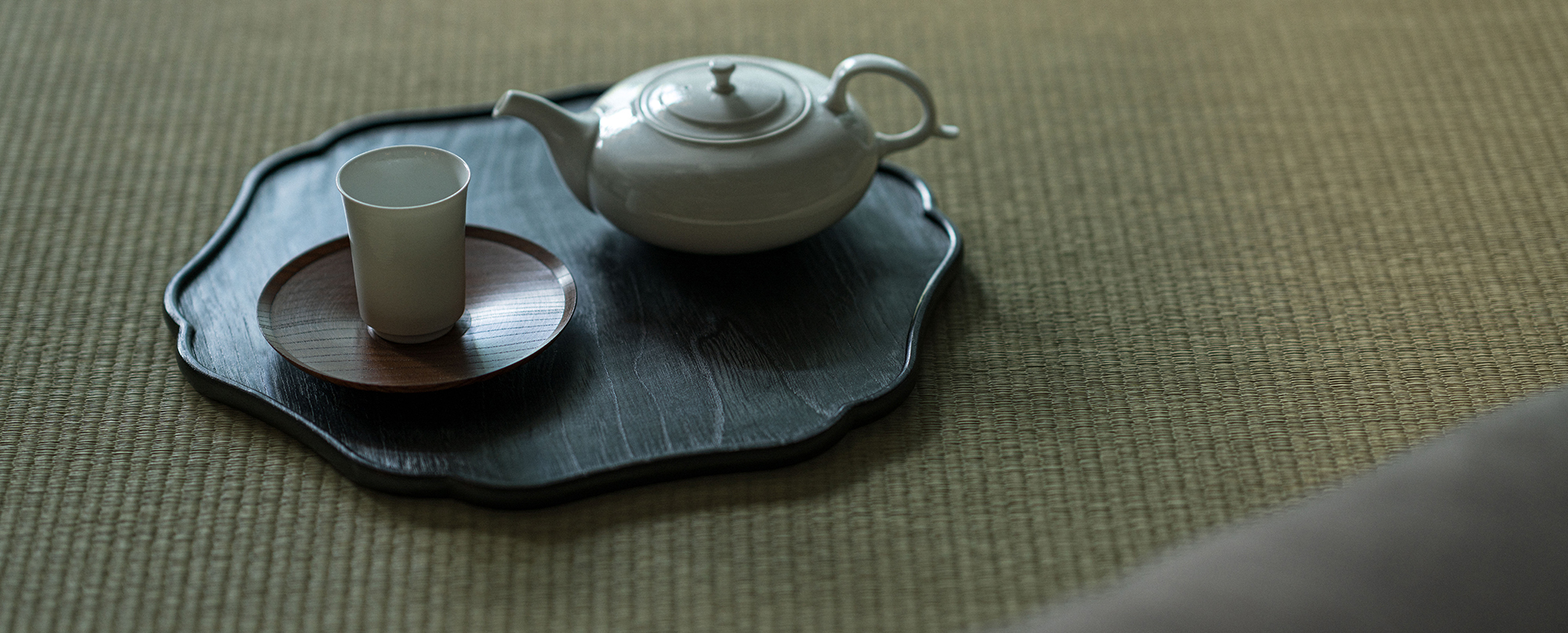
The mat became central to the rising practice of the tea ceremony during the Muromachi period (1336–1573). Tea masters and Zen monks, influenced by the teachings of Buddhism, saw in the tatami mat a space for stillness, where the tumult of the world could be quieted, and the mind could find peace. The tea room, a small and unadorned space lined with tatami, became the stage for one of Japan’s most revered cultural rituals—the chaji, or the full tea ceremony.
In the space of the tea room, the tatami mat became a sacred foundation, the backdrop to the delicate art of preparing and serving tea. The ceremony itself was a study in mindfulness, every gesture imbued with meaning, every movement purposeful and deliberate. Sitting on tatami, the participant was invited into a shared moment of stillness, a brief pause in the otherwise chaotic flow of life. The room was a sanctuary, the mats a physical representation of the calming presence that pervaded the tea ceremony. In this intimate space, the participant could leave behind the burdens of the world and experience the fleeting beauty of the present moment.
The tea ceremony was an invitation to embrace simplicity, to find joy in the small, quiet moments of life. The tatami mat, in its subtle beauty, provided a perfect stage for this meditation on life’s impermanence. Every wrinkle in the mat, every mark left by time, was a reminder of the passage of life, and of the beauty that could be found in embracing the ephemeral.
Tradition Amidst Modernization
In the Edo period (1603–1868), tatami became ubiquitous throughout Japan, appearing in homes of all social classes. As the country experienced peace and prosperity under the Tokugawa shogunate, the tatami mat was no longer confined to the elite or the warrior class. It became a staple of daily life, a symbol of Japan’s connection to its natural surroundings. Homes across the country were designed with tatami rooms—rooms where the floor was covered with mats, where families gathered to eat, sleep, and live in harmony with one another.
The tatami mat also became central to the design of traditional Japanese rooms, with the size of the room often measured in terms of the number of tatami mats it could hold. The standard unit of measurement—one tatami mat—became a symbol of space and proportion, a way of understanding the room, the home, and the world. These rooms, designed around the tatami, were spaces that encouraged interaction with nature, with the family, and with oneself.
As the years passed, tatami continued to evolve. The Meiji period (1868–1912) marked a time of rapid modernization and Westernization in Japan, yet tatami remained a cherished part of traditional life. It was in the homes of the common people, the merchants, and the nobility alike. While Western-style furniture began to infiltrate Japanese homes, the tatami mat remained a fixture, a symbol of continuity in the face of change. Even as Japan embraced modernity, tatami retained its place, anchoring the home in a connection to the past, to nature, and to the values of simplicity and elegance.
Tatami has persisted through the ups and downs of history, a quiet witness to the transformations of Japan and its people. Its presence in the home has adapted with the changing tides, but its spirit remains unchanged—a reminder that beauty lies not in grandiosity, but in the quiet details, in the simplicity of life, and in the connection between the human soul and the earth. In the modern world, as Japan navigates the demands of a rapidly changing global landscape, tatami still offers a space of retreat, a reminder of the country’s deep cultural roots. Though no longer as ubiquitous as it once was, tatami remains a cherished part of many homes, its presence evoking the timeless values that shaped Japan’s identity.
articles / interviews